Announcements

Convocatoria: número 37, noviembre 2026-febrero 2027

2026-01-27

Topic: Policies and training experiences in and for work in contexts of social inequality

Deadline for receipt of articles: April 31, 2026

Coordinators: Magalí Marega - Facultad Latinoamericana de Ciencias Sociales (FLACSO), Ecuador; Mercedes Saccone - Consejo Nacional de Investigaciones Científicas y Técnicas (CONICET), Universidad Nacional de Jujuy (UNJu), Argentina; Sofía Vitali - Consejo Nacional de Investigaciones Científicas y Técnicas (CONICET), Universidad Nacional de Rosario (UNR), Argentina

Read more about Convocatoria: número 37, noviembre 2026-febrero 2027

Current Issue

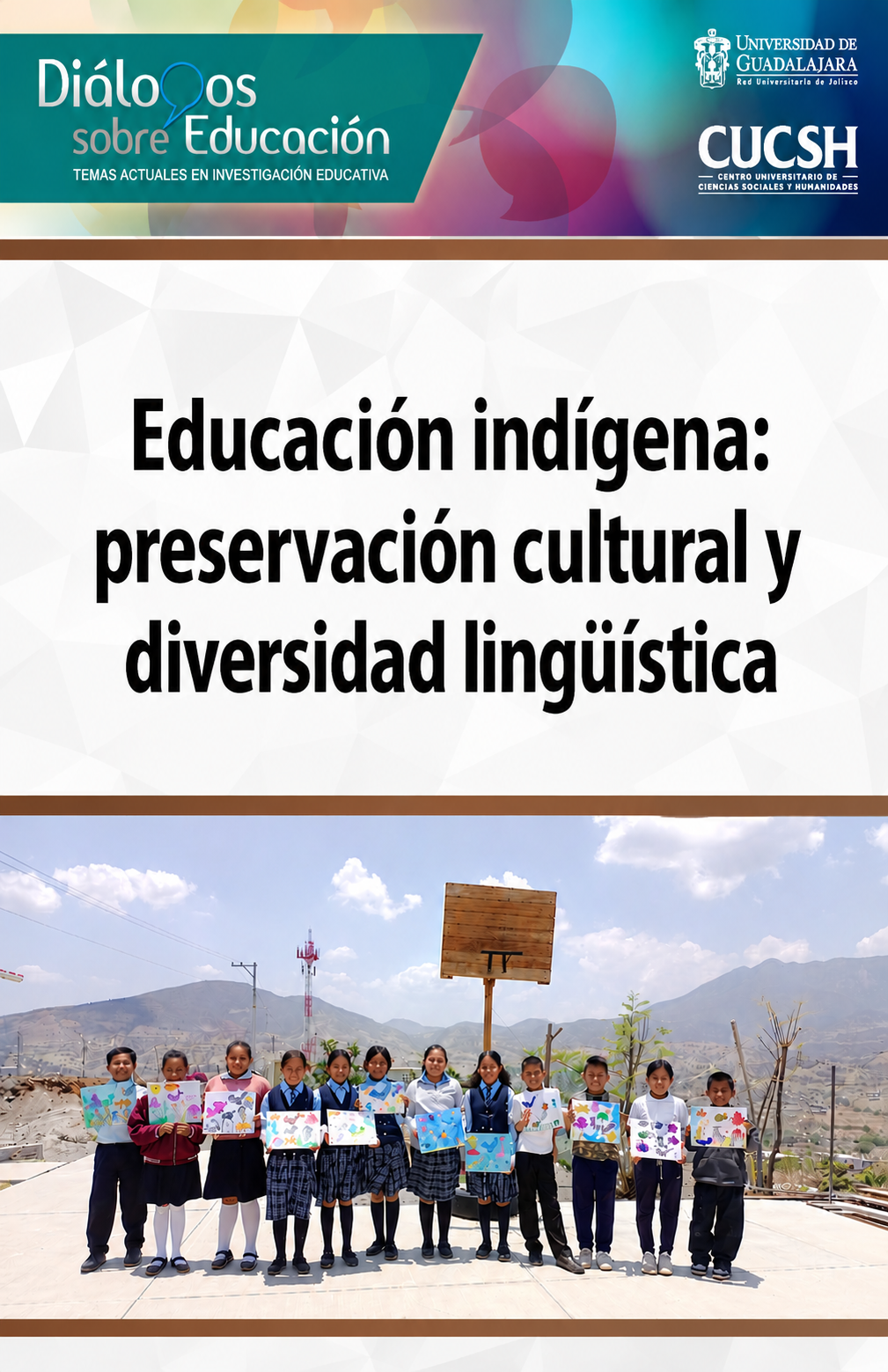
No. 35 (17): Indigenous education in northern Mexico: migration flows and superdiversity

In Mexico, there is an Indigenous presence throughout the entire national territory. It is found mainly in the central and southern regions of the country; however, there is also Indigenous presence in the north. In most northern states, this population is composed to a lesser extent of native communities and predominantly of migrant groups. The latter began relocating during the second half of the twentieth century, primarily seeking employment in the agro-industrial sector, both within Mexico and in the neighboring country, the United States.

In addition to internal Indigenous mobility, the northern region of the country has also experienced international migration flows from the Caribbean, Central America, and South America. All these migratory movements have brought with them a diverse cultural and linguistic composition in the region, which is reflected in the everyday life of schools.

This issue of Diálogos sobre Educación aims to present how the Indigenous population in certain regions of northern Mexico is being educationally addressed, in order to make visible the diverse realities experienced in a context where cultural and socioeconomic characteristics are distinctive. Although these contributions open a window to understanding the educational possibilities for this population, it remains necessary to continue academic efforts that encompass the entirety of the northern and border regions. Such work would allow for a deeper and interdisciplinary understanding of what is taking place within the educational phenomenon among native and migrant populations.

Published: 2026-02-28

Editorial

Introduction

Main topic

View All Issues